

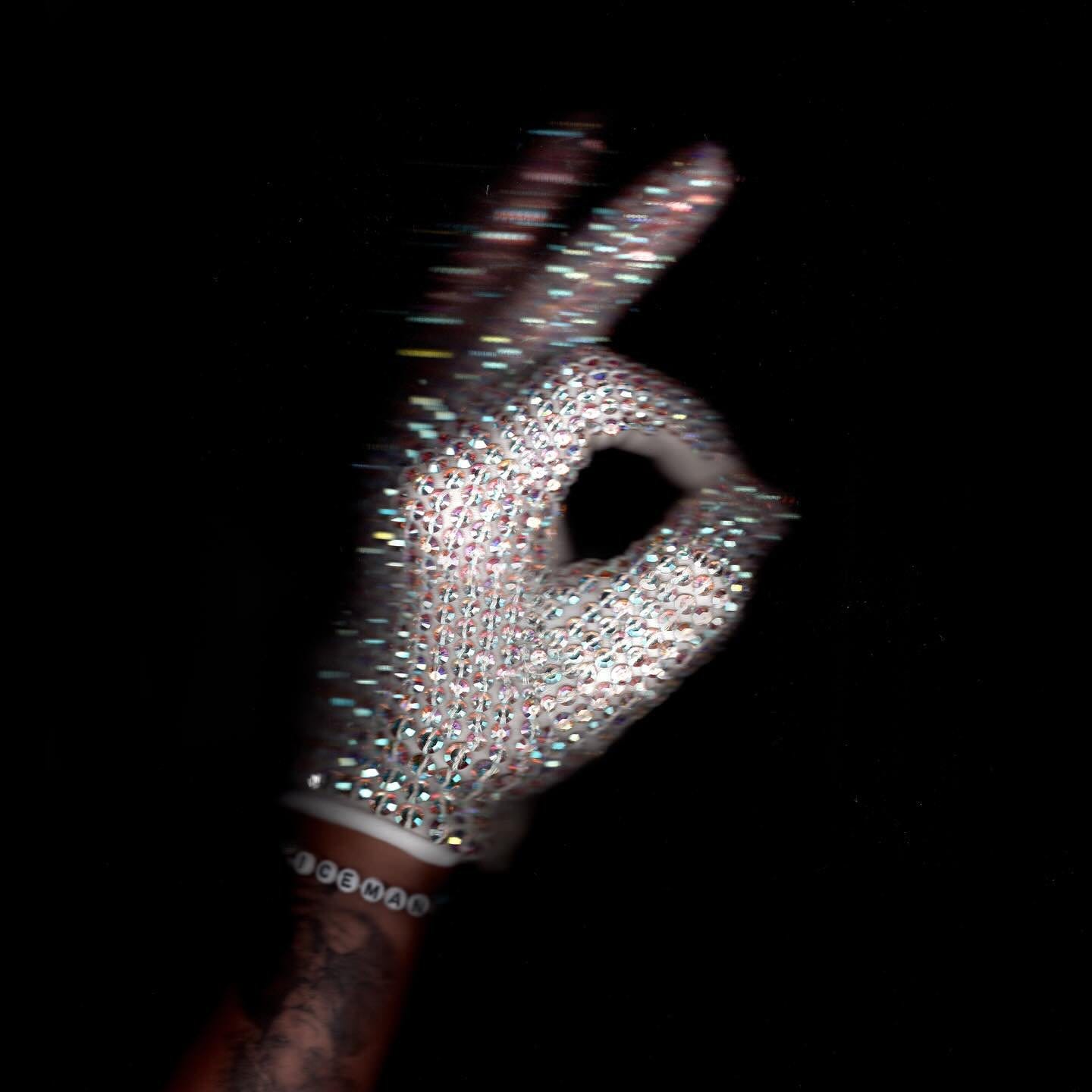
I don’t think I am someone who cares deeply about his public image. Well, I should qualify that. I want to be perceived as someone who is a decent human being, I try to model the behaviors I would want from the world, and I follow most if not all of the basic social rules. I do this because I understand that there is a social contract that exists in the world that we live in, and while not all parts of that contract are mandated, every piece of it has consequences if you choose not to follow them.
For example, I don’t have to shower, wash my clothes, or put on deodorant. I could choose to navigate the world without following these social requirements, but I can tell you from experience; people who smell like they just ran a marathon while rubbing onions on their skin tend to have very small friend groups. In conclusion, yes, I do care about my public image, I care about it more than I would usually like to admit. It’s important to me because of what I have always felt it meant. As long as I was likable, did things that people thought highly of, made people feel comfortable, and had attributes or skills that people respected, I would not only continue to strive within society, I would be likeable, and if I was likeable, I would never be alone.
And for a long time this philosophy was true, for me at least. I built a reputation as the “nice guy” the “funny guy” the guy who always had the answer, and the more people believed these things to be true about me, the more I made it my personality. But there’s a problem that comes into play when you build up your identity based on things you can do and how people respond to it.
There will come a day when you won’t be the funny guy, when you don’t have the answers, or when your usual tricks don’t work. And when that happens, the pillars you built yourself on will come crashing down. I think we are in a world where men as a collective are going through this breaking point. The things we were once told made us men are now being described as abusive, toxic and harmful, and many of them are, but you must understand how shattering that must feel to us, when this is all we have ever known.
It can be challenging to understand the implications of this, which is why examples are important. Drake’s musical journey serves as a real-time case study of masculinity performed in public. The Toronto rapper has been at the top of hip hop for almost two decades, but two years ago, he had the kind of career setback that would have destroyed most people.
After going on a brief Hiatus, Hip Hop Mega-star, Drake released his first solo project since the battle heard around the world with Kendrick Lamar. Success can make you complacent, and I would argue that despite initially debuting as someone who broke the norms of Hip Hop masculinity by coming across as kind, vulnerable, and collaborative, the Toronto rapper regressed.
The vulnerability was replaced by bravado, cynicism replaced the lover boy, and bitterness became the norm. This also impacted the technical quality of his raps. The entendre and melodies we used to love were prioritized for Instagram caption one liners, and boiler plate lyrics disrespecting women. Despite the shift, Drake was still King, and then “Like That” dropped, and the battle between Kendrick Lamar changed it all. In a matter of weeks, Drake was being ridiculed for his behavior, compared to blue-pilled incels, and dismissed as irrelevant, it was a very public fall from grace. Whatever he released afterwards would have very high stakes as a result.
Ice-man, an 18-track album features Drake rapping at a level we haven’t seen in at least a decade. In it he takes shots at his enemies, calls out the people he believes to have betrayed him, and continues to fire at Kendrick Lamar, the man who handed him the most public and humiliating defeat of his rap career. For Drake Stans, this album feels like beautiful retribution, it’s their lord and Savior Drizzy rising from the ashes to show the haters that not only can he not be defeated, but the music industry needs him. And in songs like “Janice STFU” where he raps, “You boys got big off my name, that’s big enough We know how you OGs rockin’ already, my nigga, the jig is up” you believe him, because while other artist of this generation have had their moments, no one has ever dominated rap as long as he has.
Thankfully, Ice man isn’t just pot-shots, and braggadocious raps layered in a brilliant wordplay, Drake talks about dealing with his father’s journey with Cancer, he talks about the heartbreak he felt when rapper, J-Cole backed out of the rivalry with Kendrick Lamar, he vents about perceived betrayals, and at the end of it, he tells us this transforms him into the Ice Man, the Drake we once knew is dead and gone.
Some of the content feels petulant, the expressions of betrayal don’t always land as valid, but this is his platform, and after listening to the entire world give commentary, he has a right to share his perspective. And if you’re listening, what the “IceMan” album should tell you about Drake is that the battle, and everything that came with it wasn’t just a blow to his ego, it hurt him on a personal level. He lost friends, people he thought were his supporters turned their backs on him, his entire worldview was challenged, and what we get in IceMan is someone putting the pieces back together.
Does all of it make sense? No, should he look in the mirror and take accountability for the way he brought some of this on himself? Absolutely. Will he do that? Only time will tell, but the journey to healing can’t happen if we’re not acknowledging that we lost something, and as a result something needs to change. He’s doing that with Ice Man. And no matter who the person is, no one can make it to the other side without community.
If we want a better Drake we have to be willing to listen to understand what’s underneath the protective shells. The same thing applies for all men. If we want better men, and by extension a better world, we have to hold space for them. That means being willing to hear what we’re going through, what scares us, what we have lost, and what we think of it. The process will be ugly, sometimes it will be infuriating, and it won’t be easy, but under the hard layer of ice is usually where the truth lies, and we can reach it with a little warmth.
I know this essay was messy, so let’s talk:
Have you listened to Ice Man, what did you think?
Am I giving Drake too much grace?
What parts of masculinity do you think are worth keeping?
Do men actually know who they are outside of performance?
Loved your analysis of Iceman, Stan!
I appreciated the depth and vulnerability you displayed by unpacking what has been at the root at your need to be liked — abandonment — and how that correlates with not only Drake, but most men who never confront the issues they mask through performance.
To your point, I found Iceman to be deeply interpersonal. I connected with the level of vulnerability Drake showed that went beyond the heartbreak of a romantic relationship that went sour. It made me want to give him a hug.
I also agree that even the most braggadocio and ego-centric men deserve the love and acceptance they so desperately seek. However, it’s far too often that they lash out on women/partners when they don’t feel seen, heard, or valued.
I found the question you posed at the end of your piece, “Do men truly know who they are beyond performance?”, powerful and thoughtful provoking. It’s my hope that more men will develop the courage to confront the rawest, purest form of themselves — and then do the work to heal.
I enjoyed reading this! I'm a longtime J. Cole fan, and I appreciate his ability to show weakness and accountability.. something I felt was lacking in Iceman. But "Make Them Cry" was truly impressive, and I felt like I heard from Aubrey after so long. Anyway, I never ended up hating Drake even after the battle, because I feel it's up to us to interpret and learn from his art, however flawed they may be.
"Do men actually know who they are outside of performance?" - that's a very important reflection point. As a feminist, I genuinely hope everyone won't be scared to be vulnerable and share learnings with each other to be better, without judgment.