

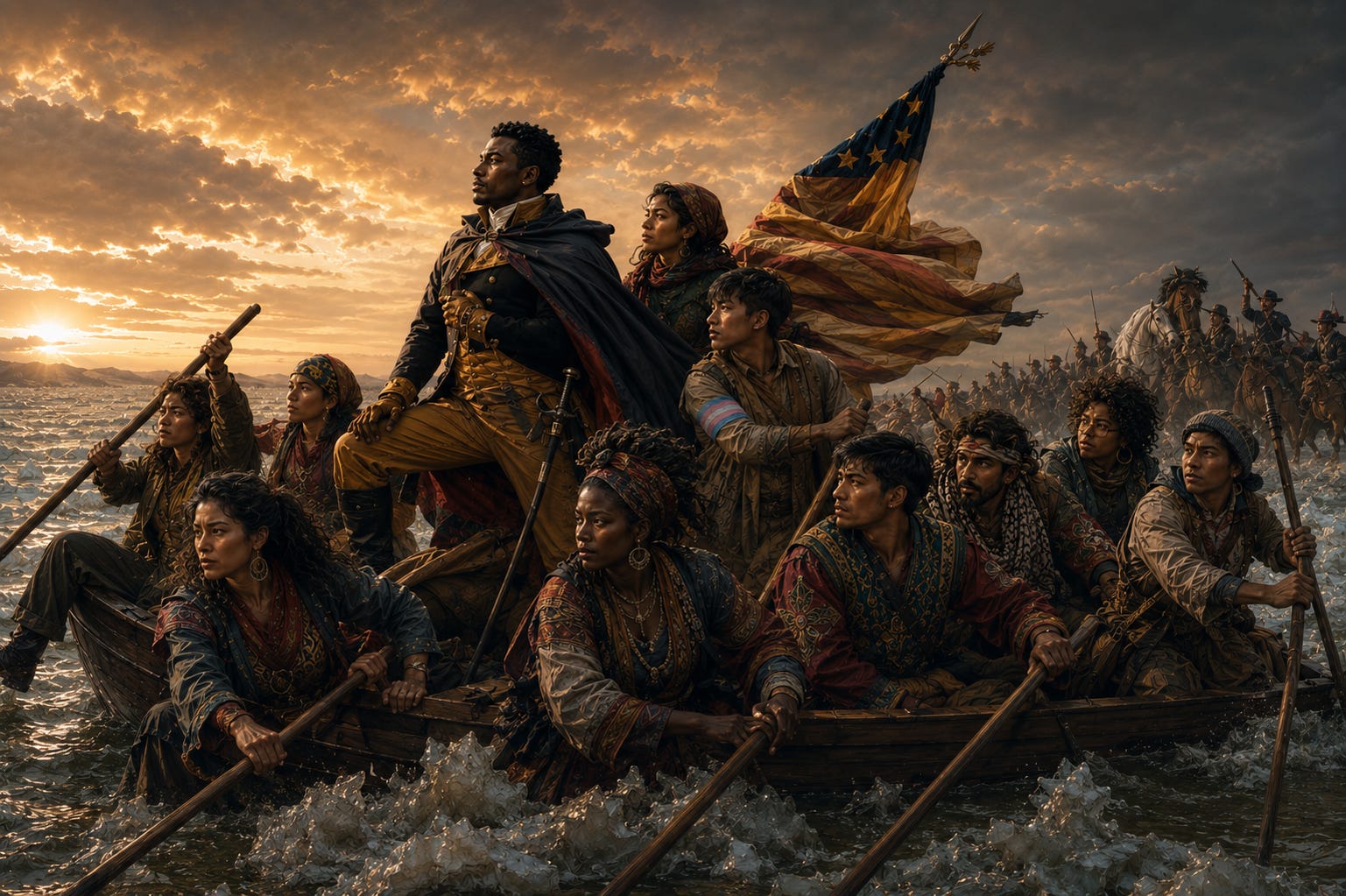
272 years ago, a small group of people sparked an idea within the colonies of the Americas. The idea was simple, but radical. Instead of serving as the cash cow for the colonial super-power, England. The 13 colonies, with their different populations, experiences, and political interests, should join forces to declare their independence. And in 1754, the architects of this idea brought it to Albany, New York, where they were quickly dismissed. Most people in the room believed this was just the silly dream of a few land speculators, and it would soon fade into the wind. But like most big ideas, it may seem crazy in the moment, but with enough time and persistence, it can eventually catch fire. And by the late 1700’s, a blaze was beginning to brew, and the delusional idea of an independent nation had picked up so much steam that it was on the precipice of becoming a reality.
However, before this fever dream could come to existence, there was a battle of ideas and a war that left thousands dead. All of this happened so that America could be born with a manifesto that stated that “All men were created equal and had the right to life, liberty, and the pursuit of happiness.”
250 years have passed since this radical idea became a reality. And as the citizens and their leaders tried to find it’s footing, the world watched closely. At times, we almost failed, nearly imploding in 1812, and then again in the 1860’s. Despite the challenges, America eventually found its footing and is still here today. The first time I heard the story of America, it filled me with pride. I believed that we had done something that changed the entire world. This made me more curious about our story, and the more I learned, the harder it was to hold on to that childish admiration. Our history has not been a straight line of success; even a cursory search will show you how complicated our rise has been.
Despite this, the United States of America has been a beacon of hope. The ultimate example of what is possible when people have the freedom to chase their dreams and work for more. At least it was for my dad. Financially ruined after Hurricane George tore St Marten and Dominica apart, my father left the only land he ever knew, searching for opportunity. Traveling to the United States with the hopes of making it in the place he was told had “Streets paved with Gold.” Those crazy rumors were quickly debunked when he arrived, and for the first time in my father’s life, he went from being just Alington from the Fritz family to a Black Man. But not just a Black man, a Nigger. Unlike the country he came from, Blackness here was considered a red flag.
When I was a kid, he would share stories of how he was treated while looking for work in Florida and then New York. How factories and stores that were once hiring would suddenly be at capacity when he showed up. And when he did find work, the bond he built with an Indian coworker named Rejindra, who, like him, wasn’t allowed to eat in the cafeteria. They would buy Haitian food from a woman selling it out of her apartment. He loved telling me the story of when he and Rejindra “Kicked a white man’s ass” for calling them “niggers,” and the triumph they felt when he was fired instead of them. His eyes would darken when he told me that one day, Rejindra just disappeared without a trace. Years later, my father found out that he had been deported and died penniless. He didn’t cry; this was just the reality for people like them.
No matter, he didn’t need to be liked; he just wanted the opportunity to work and make a life for himself. And he did. The man with a third-grade education and no legal status in this country found work, made friends, and planted roots here. Like many other Black people, he didn’t have a glamorous life, but it was enough. Despite his permanent residency, he never identified as an American. And how could he? With no legal status, he was comfortable navigating the grey; it was what he was most familiar with. For a long time, this was his way of life, and then he met my mother.
A Haitian woman who came to the States seeking work to support her family back home. They met at the immigration office, fell for each other fast, and then eventually had me.
My story is different from my parents’. Unlike them, I was born on American soil, which made me a citizen by birthright. This luck in geography ended up being the deciding factor of where I would live when my mother was eventually deported. Forced to return to Haiti, she and my father decided it was best if I stayed here, where at least I would have a chance at a good life. It’s been 30+ years since that decision, and the same country my parents looked to for opportunity and hope is rejecting people just like them. And by extension, me.
As we speak, the Trump administration is fighting in the courts to eliminate birthright citizenship. If they are successful, it would turn a right embedded in our constitution for over a hundred years into a blip in history, and create a path for him to continue banishing anyone he believes doesn’t belong here.
I know I shouldn’t be surprised, but it still hurts. Am I crazy for this? Because yes, this administration’s behavior is demoralizing, but it is not some wild detour from who we have been at our worst. We did this to the Cherokee in the 1700’s with the Trail of Tears, we targeted East Asian people with the “Chinese Exclusion Act of 1882, and in between these two horrific policy decisions, it took one of the bloodiest wars in American history, to emancipate Black people from slavery, and after that a constitutional amendment had to be fought for in order to give us citizenship.
With the knowledge of all of this, can I really be surprised at what is taking place in my name? Not really, because the truth is, the “American Dream” has always been a delusional aspiration that this country has never lived up to. We have had spurts of good, but they seem to always be quashed by the latest fear of some Black or Brown takeover. America’s wealth was built on the backs of slaves and immigrants, our military power has come at the expense of destabilizing governments, and funding coups to place our preferred people into power. And through every iteration of this country, having dark skin has meant living a life in bondage or navigating the soil you were born on as a second-class citizen.
But if all of this is true, what does that say about me? My parents may be strangers to this land, but I am from it. I am Black first, but no matter what some may believe, I am also American. This country belongs to me, too. Should I own its sins? Should I lower my tone in discussions about justice because of the harm we have caused worldwide?
Sometimes when the world feels small, and the outside noise becomes too overwhelming, I’ll feel the defeat begin to settle in. It’s almost comforting, because as much as I don’t want to believe this is all it will ever be, at least I tried really hard before I gave up. But just as that thought begins to take hold, I think of the hope my parents had when they arrived here, and I think about the people who have made a life in this country. I think about the endless potential we have to do right, and the people who choose love and justice, even when it seems only pain chooses them, and before I know it, the irrational hopefulness that exists in all American people pulls me from defeat’s door.
We have not always lived up to our ideals, and it may feel like those currently in power will always control who we are and what we can be. But if it’s radical of me to envision an America for everyone. One that doesn’t center money, or whiteness, or violence, so be it. Because this country has already taught me that radical ideas aren’t as delusional as they may seem at first. They just need time to manifest.
.
Nice piece. I didn't expect this piece to end with a confident hopefulness for/openness to the idea that America still can and will be better. I've had my doubts, but I appreciate this exploration.
So well written, nuanced and with so much heart!